Unlock Your Best Run: How the Right Running Shoes Drive Next-Level Performance
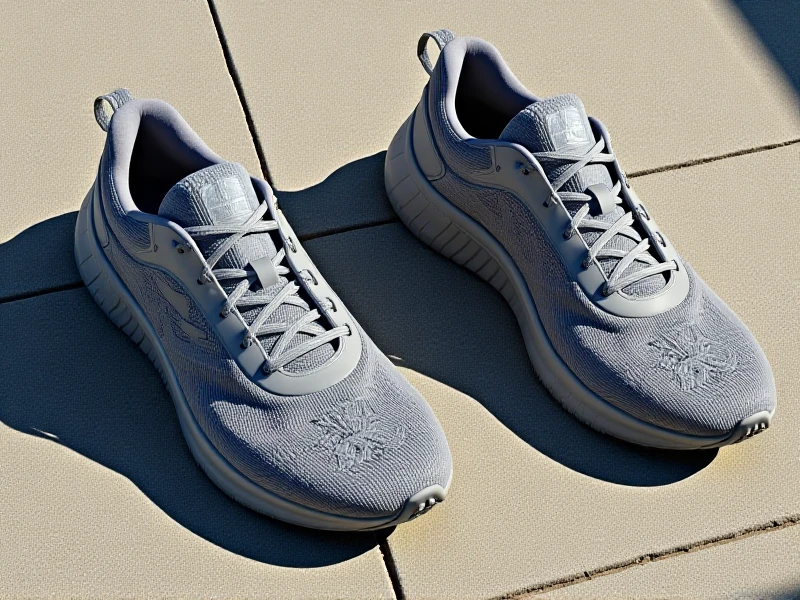
Every stride tells a story. Are your running shoes helping you write a chapter of triumph or setting you up for discomfort? Selecting the perfect pair of trainers is far more than a fashion choice; it’s foundational to your comfort, injury prevention, and achieving peak running potential.
Why Your Running Shoes Matter So Much Think of your sneakers as the critical interface between your body and the ground. The right pair absorbs impact forces, provides crucial support where you need it most, maintains alignment, and propels you forward efficiently. Skimping here often leads directly to common setbacks like shin splints, plantar fasciitis, blisters, or joint stress that derail progress. Prioritizing fit and function guarantees you can run consistently and confidently.
Finding Your Perfect Match: Key Factors Choosing running shoes isn't one-size-fits-all. Key considerations dominate:
- Cushioning & Responsiveness: Do you crave plush softness or a firmer, propulsive feel? Brands use various midsole technologies (EVA foam, TPU, Pebax) offering different bounce and durability.
- Stability & Support: Assess your gait. Overpronators benefit from structured stability features. Neutral runners need flexible neutral shoes. A gait analysis at a specialty run store is invaluable.
- Fit & Feel: Critical! Ensure ample (about thumbnail-width) space in the toe box. The heel should fit snugly without slippage. Test them with a quick jog in-store.
- Running Terrain: Road shoes excel on pavement. Trail runners feature aggressive lugs and rock plates for off-road dirt and gravel. Track spikes? Reserved for competitive racing.
- Arch Support: Match the insole contour to your natural arch height (low, neutral, high) for optimal foot mechanics.
Beyond the Basics: Road, Trail & Racing Understand the specialization:
- Road Running Shoes: Optimized for pavement, providing cushioning and flexibility. Ideal for most runners on sidewalks, streets, or treadmills.
- Trail Running Shoes: Built gritty! Enhanced grip (lugs), increased protection (rocker plates, durable uppers), and often more stability for uneven terrain.
- Racing Flats & Competition Shoes: Stripped-down, super lightweight for speed and efficiency, sacrificing some cushioning – best for race day or specific speed workouts.
The Mileage Cliff: Don't Push Your Luck Even the best running shoes wear down. Cushioning compacts, support structure weakens. Typically, replace them every 300-500 miles. Ignore signs like uneven wear, persistent aches, or loss of bounce, and you risk injury. Listen to your body and your soles.
Invest in Your Run Your running journey deserves equipment worthy of your effort. Don't settle for generic sneakers. Taking the time to discover meticulously engineered running shoes perfectly tailored to your biomechanics and running style unlocks smoother strides, minimizes injury risk, and propels you towards your personal goals. Step into the future of running – step lighter, run stronger, and celebrate every mile.
Ready to experience the difference? Explore the latest innovations in running shoe technology and find your stride! What feature matters most in your ideal running shoe? Share below! #RunStrong #RunningTech #FindYourFit #RunningShoes #PerformanceRunning