The Ultimate Guide to Choosing the Perfect Running Shoes for Your Runs
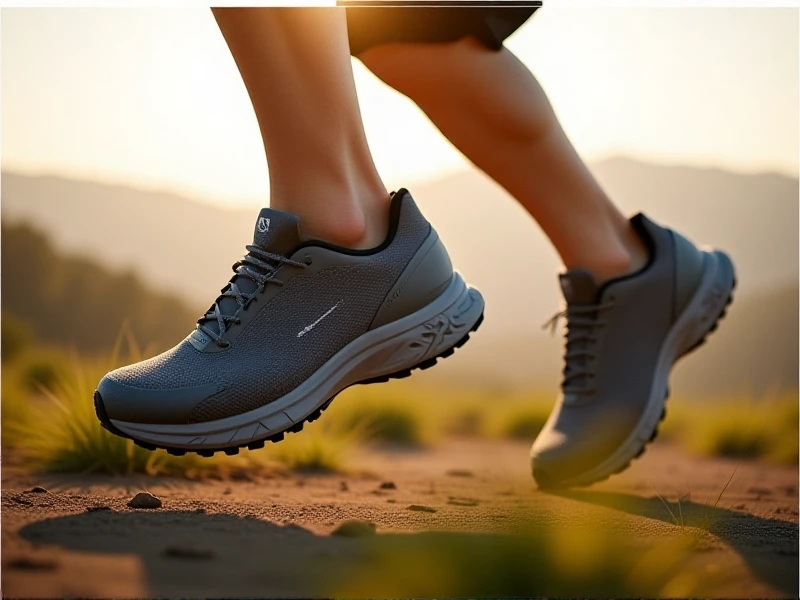
Running is a fantastic way to boost your health, clear your mind, and build endurance. But if you're not wearing the right pair of running shoes, it can quickly turn into a painful experience with blisters, shin splints, or even long-term injuries. Whether you're training for a marathon or jogging around your neighborhood, investing in quality running shoes makes all the difference. They're designed with specialized cushioning and support to protect your feet on every step. In this guide, I'll walk you through the essentials to help you find the best fit for your unique running style. You'll learn what to look for, common mistakes to avoid, and how these features transform your runs from exhausting to exhilarating.
First off, why are running shoes so critical compared to regular sneakers? These shoes are engineered with advanced shock absorption, which reduces the impact on your joints like knees and ankles. That cushioning is a lifesaver during long distances. Plus, they include stability features to correct overpronation or underpronation—issues that stem from your foot's natural roll when you run. For instance, if you're a neutral runner, neutral cushioned running shoes provide just enough bounce without extra layers. But if you overpronate (where your arch flattens inward), stability running shoes with firm midsoles offer invaluable arch support. It's smart to analyze your gait using a treadmill test at a sports store or apps that track your movement. This prevents injuries common among new runners, like plantar fasciitis.
Next, focus on the core features that elevate your performance. Lightweight materials and mesh uppers keep feet cool during sweaty sessions, while durable outsoles grip surfaces from asphalt to trails. Cushioning varies; high-stacked designs like those from Hoka One One plushly absorb impacts for easy runs, while minimalist models like Nike's Pegasus make speedwork feel effortless. Also, consider drop—the height difference from heel to toe. A 6-8mm drop suits most runners, but zero-drop options mimic natural foot motion if you're moving toward barefoot strides. Try them on with running socks, walk around the store, and ensure a snug fit without heel slip: your shoes should feel anchored but roomy for toe splay.
Beyond the fit, pick running shoes based on terrain. Road runners need lightweight, flexible designs with good traction for paved paths. Trail running shoes feature rugged lugs for muddy or rocky trails—brands like Salomon or Altra excel here. Hybrid shoes bridge both worlds, perfect for unpredictable routes. Lastly, maintain your investment: rotate between two pairs to extend lifespan and clean them gently to prevent breakdown. Remember, upgrading those worn-out shoes every 300-500 miles prevents aches and boosts morale.
In sum, the ideal running shoes are game-changers, enhancing comfort and longevity in your routines. By focusing on fit, support, and purpose, you'll run stronger and enjoy every mile. Ready to find your match? Browse our collection online for expert-recommended picks, and test a few at home for free returns. Lace up today and conquer those goals—your feet will thank you!
( 425)