Finding Your Perfect Pair: The Ultimate Running Shoes Guide
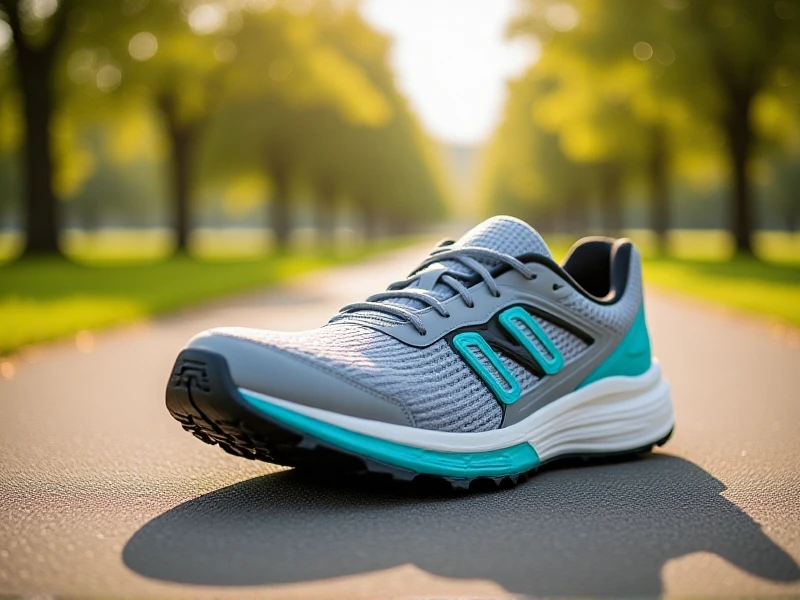
Selecting the right running shoes is the cornerstone of a comfortable and injury-free running experience. With countless options flooding the market, understanding your needs is crucial for peak performance. This guide helps you navigate the world of running shoes to find your ideal match.
The most critical factor? Cushioning. Running shoes offer varying levels – from maximal plushness ideal for long distances and joint protection, to minimal cushioning that promotes a natural stride. Neutral runners benefit from balanced cushioning, while overpronators require structured stability features. Consider shoe drop (heel-to-toe height difference); a higher drop often suits heel strikers, while lower drops appeal to midfoot/forefoot strikers.
Fit reigns supreme. Always get fitted professionally later in the day when feet are slightly swollen. Ensure adequate room (about a thumbnail's width) beyond your longest toe to prevent black toenails. The heel should be snug without slipping, and the midfoot secure without pressure points. Lightweight, breathable uppers enhance comfort and prevent blisters.
Don't forget surface compatibility. Road running shoes prioritize cushioning and durability for pavement, while trail running shoes feature aggressive lugs for grip, rock plates for protection, and often added stability on uneven terrain.
Popular categories include:
- Maximalist Cushioning: For superior shock absorption during marathons or long runs.
- Lightweight Racers: For speedwork and race days; minimal cushioning for efficiency.
- Stability Shoes: Incorporate features like medial posts to correct overpronation.
- Neutral Cushioned: Offer responsive cushioning without motion control for efficient strides.
Key Innovations: Modern running shoes integrate energy-returning foams (like PEBAX or proprietary blends) and strategically placed rubber for durable grip. Reflective elements enhance safety for low-light conditions.
Maintenance & Lifespan: Track mileage! Most shoes lose significant support between 300-500 miles (480-800 km). Rotating two pairs can extend the lifespan of each and adapt to varying workouts. Proper ventilation after runs prevents odor buildup.
Ultimately, the best running shoes are the ones that disappear beneath your feet – feeling like a natural extension of your stride. Prioritizing function, fit, and your unique biomechanics transforms every run. Visit our expert fitting service or use our online finder to match your foot type, gait, and running goals. Lace up properly and conquer every mile with confidence!