The Ultimate Guide to Choosing Your Perfect Pair of Running Shoes
2026-02-11
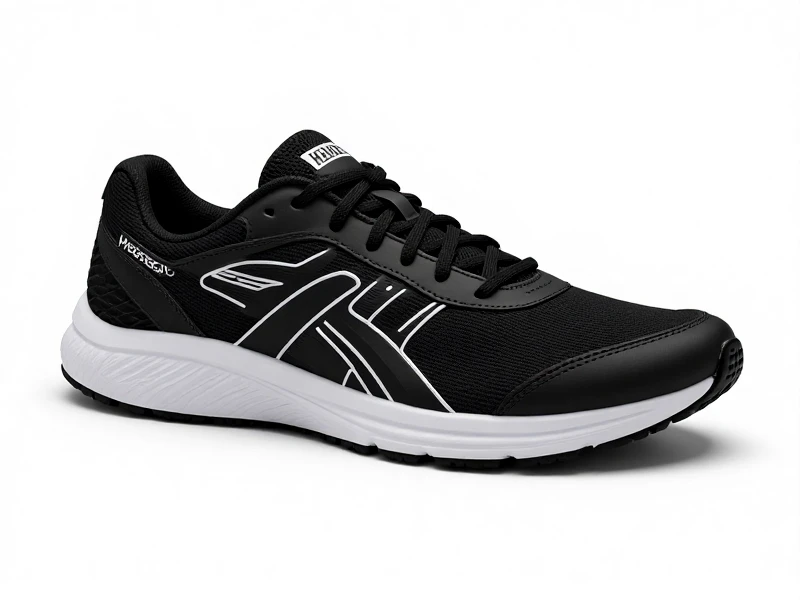
Hitting the pavement for a run demands more than just motivation; it requires the right foundation: running shoes. Choosing incorrectly can lead to discomfort, injury, and derailed fitness goals. This guide simplifies finding your ideal match, ensuring every stride feels powerful and protected.
Not all running shoes are created equal. Manufacturers design specific types for different needs:
- Neutral Running Shoes: Best for runners with efficient biomechanics, supinating slightly (rolling outward), or needing general cushioning.
- Stability Running Shoes: Feature supportive elements (like medial posts) to help control overpronation (excessive inward rolling).
- Motion Control Running Shoes: Offer maximum support for severe overpronation, typically being firmer and heavier.
- Cushioned Running Shoes: Prioritize softness and impact absorption, ideal for runners focused on comfort or running on harder surfaces.
- Trail Running Shoes: Built for off-road adventures with aggressive tread, enhanced durability, and often added protection against rocks and roots.
Key features define quality running shoes:
- Midsole Technology: This is the heart of cushioning and responsiveness. EVA foam is common, while TPU-based foams (like Adidas Boost, Brooks DNA Loft) offer greater energy return and durability. Understanding the feel – soft vs. responsive – is crucial.
- Outsoles: Look for durable rubber, especially high-wear areas (heels, forefoot). The pattern and depth of the lugs dictate traction, with waffle patterns common for roads and aggressive lugs essential for trail running shoes.
- Uppers: Mesh provides vital breathability and stretch. Engineered mesh offers structure without weight. Seamless designs minimize irritation. Fit around the midfoot and heel counter stability are paramount for security and preventing blisters.
Choosing Your Perfect Pair:
- Know Your Pronation: Understanding your gait (neutral, overpronation, supination) is fundamental. Visit a specialty running store for an analysis if unsure. The best running shoes match your natural movement.
- Consider Your Terrain: Road surfaces demand different features than trails. Don't use road-specific running shoes for rugged mountain paths.
- Prioritize Fit: Always try on running shoes in the afternoon (when feet are largest). Wear your running socks. There should be a thumb's width of space beyond your longest toe. Ensure a snug, secure heel hold and adequate width without pinching. Your true shoe size may surprise you!
- Feel the Ride: During a test run (many stores allow this), assess comfort and responsiveness. Do you need plush softness, a firm stable base, or a springy bounce? Listen to your body.
- Replace Regularly: Mileage impacts shoe integrity. Plan to replace your running shoes every 300-500 miles. Worn-out midsoles lose cushioning and support.
Investing time in finding your ideal running shoes is investing in your running journey. The right pair enhances comfort, boosts performance, and significantly reduces injury risk. Step into the perfect match and unlock your best run yet!
Category: