Why Every Runner Needs the Perfect Pair of Running Shoes
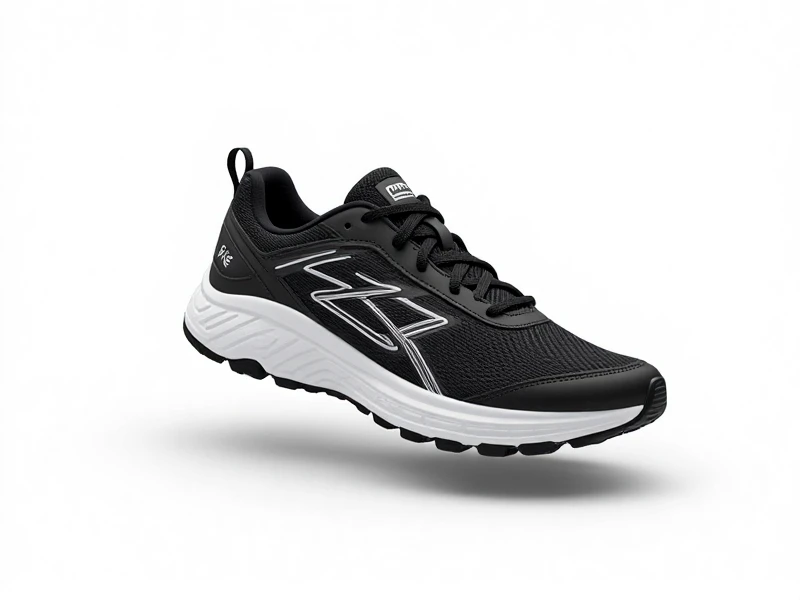
SEO Article on Running Shoes
Running is one of the most accessible forms of exercise, offering immense health benefits from improved fitness to mental clarity. But let's face it: without the right pair of running shoes, your journey can quickly turn from exhilarating to painful. This guide dives into everything you need to know about running shoes—whether you're a novice or a pro—to help you make informed decisions that enhance your performance and comfort on the track.
First off, running shoes come in various types, each tailored to different terrains and running styles. Road running shoes are ideal for pavement or treadmill use, featuring lightweight designs and cushioning to absorb impact on hard surfaces. In contrast, trail running shoes boast aggressive outsoles for better grip on uneven paths like mountains or forests, reducing the risk of slips. Then there are minimalist and maximalist shoes: minimalist ones promote a natural stride, while maximalist models offer extra cushioning for those needing joint support. Understanding these differences is crucial; for instance, if you're training for a marathon, a well-cushioned road shoe could be your best bet to prevent injuries.
Choosing the perfect pair involves considering your unique needs. Start by analyzing your foot type—are you flat-footed, high-arched, or neutral? Many experts recommend visiting a specialty store for a gait analysis to see how your feet strike during runs. This helps in selecting shoes with the right support features, such as stability shoes for overpronation or neutral shoes for efficient runners. Additionally, factor in your running habits. Do you prefer short sprints or long distances? For endurance, opt for running shoes with durable outsoles and breathable materials to keep feet cool during extended sessions. Don't forget to try shoes on in the afternoon when feet naturally swell, ensuring a snug yet comfortable fit that supports miles of effortless running.
Beyond selection, running shoes provide significant perks beyond just comfort. They mitigate the risk of common injuries like shin splints or plantar fasciitis by providing proper alignment and shock absorption. Regular maintenance, such as rotating multiple pairs to extend lifespan, keeps shoes in top shape—typically replacing them every 300-500 miles avoids worn-out support. Ultimately, investing in quality running shoes is an investment in your health and performance. For peak results, pair them with a solid training regimen and hydration plan. Remember, the right shoes empower every stride, turning ordinary runs into extraordinary adventures. So, lace up and hit the road with confidence—your next run could be your best one yet.